Implementing Green Building Practices for Sustainable Construction
Green building practices represent a comprehensive approach to construction and design that emphasizes environmental sustainability, resource efficiency, and occupant wellbeing. This approach combines multiple strategies designed to reduce the environmental impact of buildings throughout their entire lifecycle, including site selection, design, construction, operation, and eventual decommissioning. Green building is a significant response to documented challenges including climate change, resource scarcity, and health concerns associated with conventional construction methods.
By implementing sustainable materials during restaurant fitouts, improving energy efficiency, and reducing water consumption, green building practices create structures that serve functional purposes while minimizing environmental harm. The foundation of green building practices centers on waste reduction and sustainability promotion. This includes utilizing renewable resources, improving energy performance, and designing buildings capable of adapting to changing environmental conditions.
For example, sourcing materials locally decreases transportation-related emissions and strengthens regional economies. Green buildings typically incorporate specific features such as vegetated roofs, photovoltaic systems, and rainwater collection systems that reduce energy consumption and conserve resources. Architects, builders, and developers must understand these principles to design and construct buildings that meet current environmental standards and address community requirements.
Benefits of Implementing Green Building Practices
The benefits of implementing green building practices extend beyond environmental considerations; they also encompass economic and social dimensions. One of the most significant advantages is the potential for cost savings over the life of a building. Energy-efficient designs can lead to substantial reductions in utility bills, while water-saving fixtures can lower water consumption costs.
For example, a study by the U.S. Green Building Council found that green buildings can achieve energy savings of 30% to 50% compared to conventional buildings. These savings can be particularly impactful for commercial properties, where operational costs can significantly affect profitability.
Moreover, green buildings often enhance occupant health and well-being. By utilizing non-toxic materials and improving indoor air quality through better ventilation systems, these structures create healthier living and working environments. Research has shown that occupants in green buildings report higher satisfaction levels and improved productivity.
For instance, a study conducted by Harvard University found that employees in green-certified office spaces exhibited 26% higher cognitive function scores compared to those in conventional offices. This correlation between green building practices and enhanced occupant health underscores the multifaceted benefits of sustainable construction.
Key Components of Sustainable Construction
Sustainable construction is characterized by several key components that work together to create environmentally responsible buildings. One fundamental aspect is energy efficiency, which involves designing buildings that consume less energy for heating, cooling, lighting, and other operational needs. This can be achieved through various means, such as high-performance insulation, energy-efficient windows, and advanced HVAC systems.
The integration of renewable energy sources like solar panels or wind turbines further enhances a building’s sustainability by reducing reliance on fossil fuels. Another critical component is water conservation. Sustainable construction practices emphasize the importance of minimizing water usage through efficient plumbing fixtures, rainwater harvesting systems, and drought-resistant landscaping.
For example, xeriscaping—a landscaping method that reduces or eliminates the need for irrigation—can significantly lower water consumption in arid regions. Additionally, greywater recycling systems can repurpose water from sinks and showers for irrigation or toilet flushing, further contributing to water efficiency. Materials selection also plays a vital role in sustainable construction.
The use of recycled or reclaimed materials reduces the demand for new resources and minimizes waste. Furthermore, choosing materials with low embodied energy—those that require less energy to produce—can significantly decrease a building’s overall carbon footprint. Sustainable materials such as bamboo, reclaimed wood, and recycled steel are increasingly popular choices among builders committed to environmentally friendly practices.
Strategies for Incorporating Green Building Practices
Incorporating green building practices into construction projects requires a strategic approach that involves collaboration among various stakeholders. One effective strategy is to engage in early planning and design processes that prioritize sustainability from the outset. This includes conducting site assessments to evaluate environmental impacts and selecting locations that minimize disruption to local ecosystems.
By integrating sustainability goals into the initial phases of a project, architects and builders can identify opportunities for energy efficiency and resource conservation before construction of the new office for a digital marketing agency, for example, begins. Another strategy involves leveraging technology to enhance sustainability efforts. Building Information Modeling (BIM) is a powerful tool that allows architects and engineers to create detailed digital representations of buildings before they are constructed.
This technology enables teams to analyze energy performance, optimize material usage, and identify potential issues early in the design process. Additionally, smart building technologies—such as automated lighting systems and occupancy sensors—can further improve energy efficiency during a building’s operational phase. Collaboration with local governments and organizations can also facilitate the adoption of green building practices.
Many municipalities offer incentives for sustainable construction, such as tax breaks or expedited permitting processes for projects that meet specific environmental standards. By working closely with local authorities and community stakeholders, builders can navigate regulatory requirements more effectively while promoting sustainable development goals.
Case Studies of Successful Green Building Projects
Examining successful case studies of green building projects provides valuable insights into effective practices and innovative solutions in sustainable construction. One notable example is the Bullitt Center in Seattle, Washington, often referred to as the “greenest commercial building in the world.” Completed in 2013, this six-story office building was designed to meet the rigorous standards of the Living Building Challenge—a certification program that requires buildings to be self-sufficient in energy and water use. The Bullitt Center features a rooftop solar array that generates more energy than it consumes annually, along with a rainwater harvesting system that provides all its water needs.
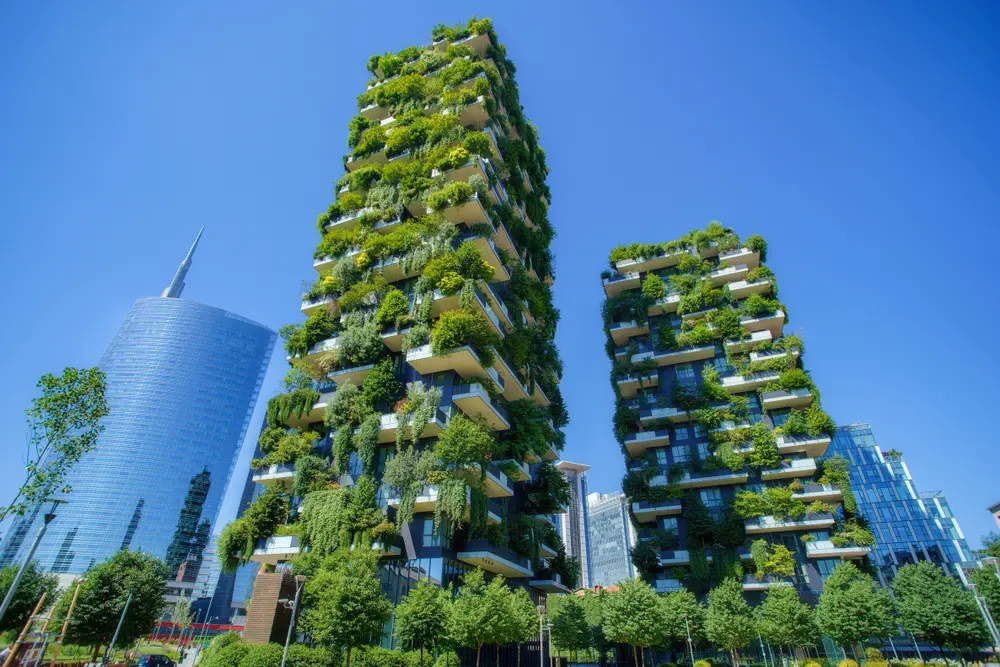
Another exemplary project is the Bosco Verticale (Vertical Forest) in Milan, Italy. This residential complex consists of two towers adorned with over 9,000 trees and 20,000 plants, creating a vertical forest that enhances biodiversity in an urban environment. The design not only improves air quality but also provides insulation for the buildings, reducing energy consumption for heating and cooling.
The Bosco Verticale has become an iconic symbol of sustainable urban living and demonstrates how integrating nature into architecture can yield significant environmental benefits.
Overcoming Challenges in Implementing Green Building Practices
Despite the numerous advantages of green building practices, several challenges can hinder their widespread adoption. One significant barrier is the perception that sustainable construction is more expensive than traditional methods. While it is true that some green technologies may require higher upfront investments, many studies indicate that these costs are often offset by long-term savings on energy and maintenance.
Educating stakeholders about the financial benefits of green building can help shift this perception and encourage more developers to embrace sustainable practices. Another challenge lies in the availability of skilled labor trained in green construction techniques. As demand for sustainable buildings increases, there is a pressing need for education and training programs that equip workers with the necessary skills to implement green technologies effectively.
Collaborations between educational institutions and industry professionals can help bridge this skills gap by providing hands-on training opportunities focused on sustainable construction methods. Regulatory hurdles can also pose challenges for green building initiatives. In some regions, outdated building codes may not accommodate innovative sustainable technologies or materials.
Advocating for updated regulations that support green building practices is essential for fostering an environment conducive to sustainable development.
Certification and Standards for Green Building
Certification programs play a crucial role in promoting green building practices by providing frameworks for evaluating sustainability efforts in construction projects. One of the most recognized certifications is LEED (Leadership in Energy and Environmental Design), developed by the U.S. Green Building Council. LEED certification assesses various aspects of a building’s design and operation, including energy efficiency, water conservation, indoor air quality, and sustainable materials usage. Buildings can achieve different levels of certification—Certified, Silver, Gold, or Platinum—based on their performance across these categories. Another prominent certification is BREEAM (Building Research Establishment Environmental Assessment Method), which originated in the United Kingdom but has gained international recognition. BREEAM evaluates buildings based on their environmental impact throughout their lifecycle and encourages continuous improvement in sustainability practices. These certification programs not only provide recognition for sustainable efforts but also serve as valuable marketing tools for developers seeking to attract environmentally conscious tenants or buyers. As awareness of sustainability issues continues to grow among consumers, having recognized certifications can enhance a project’s appeal in a competitive real estate market.
Future Trends in Sustainable Construction
The future of sustainable construction is poised for significant advancements driven by technological innovation and evolving societal values regarding environmental responsibility. One emerging trend is the increased integration of smart technologies into green buildings. As the Internet of Things (IoT) continues to expand, smart sensors and automation systems will enable real-time monitoring of energy usage, occupancy patterns, and indoor air quality.
This data-driven approach will allow building managers to optimize operations further while enhancing occupant comfort. Additionally, there is a growing emphasis on circular economy principles within the construction industry. This approach focuses on designing buildings with materials that can be reused or recycled at the end of their lifecycle rather than disposed of in landfills.
Innovations such as modular construction techniques—where components are prefabricated off-site—are gaining traction as they facilitate easier disassembly and material recovery. Furthermore, biophilic design—a concept that seeks to connect people with nature—will likely play an increasingly prominent role in future sustainable projects. Incorporating natural elements into architectural designs not only enhances aesthetic appeal but also contributes positively to mental well-being by creating environments that promote relaxation and creativity.
As global awareness of climate change intensifies, the demand for sustainable construction will continue to rise. The integration of advanced technologies, innovative materials, and holistic design principles will shape the future landscape of green building practices, paving the way for a more sustainable built environment.